
24% Growth, 9 Days on Market: Why Perth Is Playing a Different Game in 2026
Modern townhouses with a purple car parked outside. photo, Free House Image on Unsplash
Australia’s housing market is unusually split. Perth has become the runaway leader; its house prices jumped roughly 24% over the year to March, even as Sydney and Melbourne have cooled off. In practical terms, competition is fierce in Perth and more relaxed elsewhere. Homes in Perth now spend only about 9 days on market on average (compared with ~30 days nationally) and routinely sell well above asking. This chronic shortage (Australia faces an estimated 380,000-house deficit by 2030) is keeping prices high and rents tight.
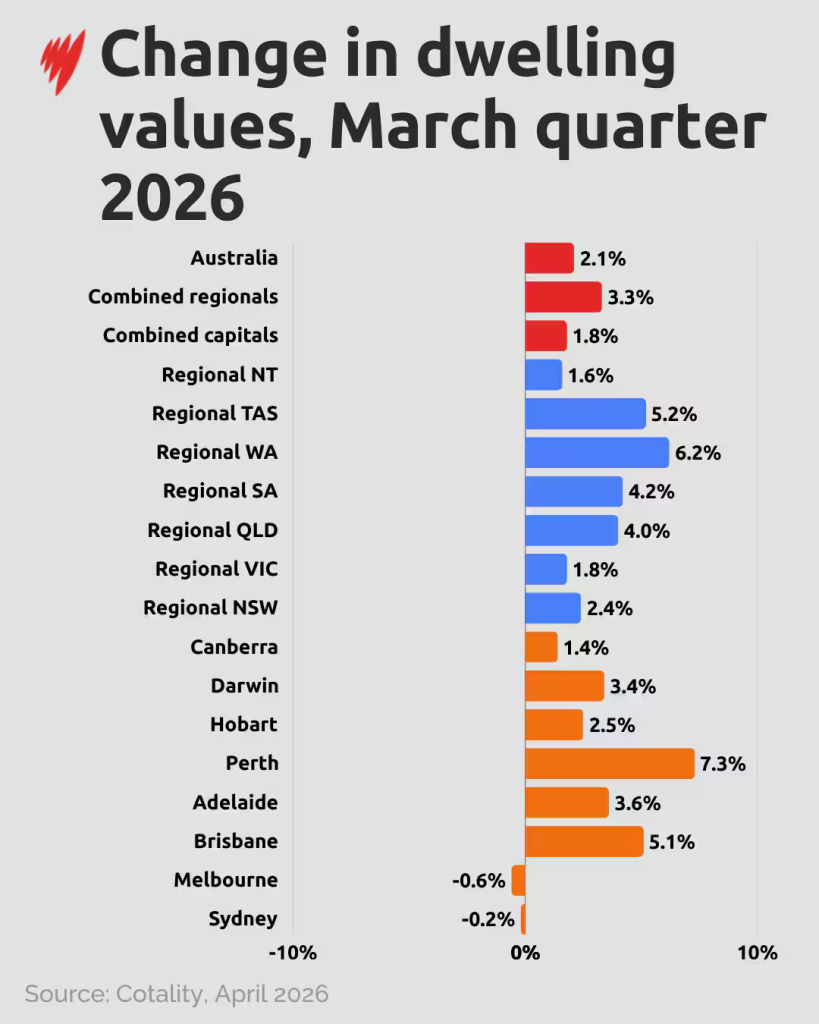
Key considerations for buyers in this market:
- Growth vs. decline: Some state markets are surging (e.g. Perth, plus 7.3% in just the March quarter), while others are stalling or falling. Brisbane, Adelaide and Darwin have modest gains (3-5%), but Sydney and Melbourne values dipped recently. This means entry prices, competition and future outlook vary widely by location.
- Competition & overpaying: In the hottest markets, agents report every house going fast. Perth buyers, for example, have paid on average ~$100K above asking price recently. In such a frenzy, there’s a real risk of overbidding. As Cotality’s research notes, Australia’s low vacancy (about 1.6% nationally) and tight stock mean any home can command a premium. We urge clients to stay grounded: set clear budgets and avoid getting caught in the hype.
- Borrowing capacity: Remember that most mortgages must still pass lenders’ strict tests. With rates higher, many buyers are already maxed out. Experts warn borrowers are operating “between a rock and a hard place”, feeling forced to borrow up to their limit just to buy. Anecdotes show buyer budgets have tightened even more than small recent price drops. Our advice: don’t overstretch. Only borrow what leaves room for repayments if interest rates or circumstances change.
- Location strategy: If your local market is too expensive or volatile, consider alternatives. Many buyers are looking interstate or in outer regions right now, where growth is solid and competition somewhat lighter. (For example, regional areas have seen large gains recently, as some buyers move for affordability.) Focus on long-term fundamentals, it may pay to buy a bit further out or in a different capital city where your dollar stretches further.
- Timing decisions: It’s tempting to try “waiting for a dip” in Sydney/Melbourne prices, but given the national shortages, any pause may be short-lived. Instead, weigh opportunities carefully. If prices do ease, it could be a small breathing space, especially as expert forecasts suggest most capital city values will eventually rise modestly again. In any case, having a strategy is vital.
As buyer’s agents, we at D’MANSHA monitor these trends daily to help our clients make informed choices. In a market like this, expert guidance is invaluable. We can tap our network for off-market deals, give data-driven advice on suburbs and budgets, and negotiate firmly so you don’t overpay. For more insights, check our blog for the latest market updates and tips.
Ready to act? Talk to us, we’re happy to help you sort through these challenges. Call 0406 11 22 44 or book a free consultation to discuss your situation. Don’t forget to follow us on Instagram and LinkedIn.