
If you’ve been watching the property market lately, something important has shifted, and most people haven’t noticed it yet. Since 1 February 2026, Australia’s big banks have been forced to follow new lending rules set by APRA, the Australian Prudential Regulation Authority. And if you’re an investor, this directly affects your borrowing capacity.
We’ve been watching this closely at D’MANSHA, and here’s what you really need to know.
So What Exactly Changed?
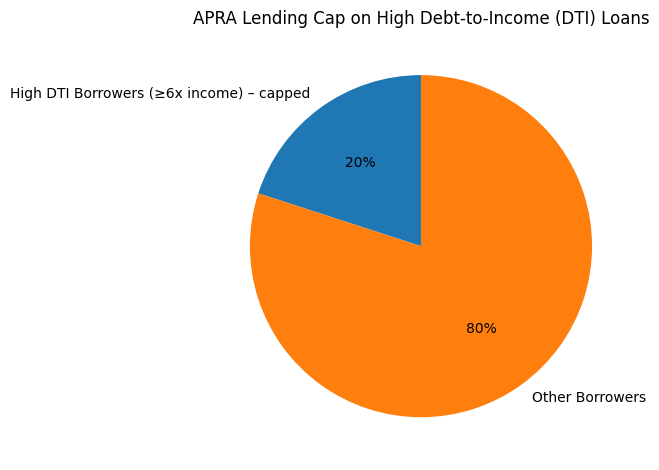
Banks can now only give 20% of their new home loans to borrowers whose total debt is 6 times (or more) their annual income. That’s called a high Debt-to-Income (DTI) ratio. Banks are not allowed to lend freely to people in that bracket anymore.
Before this rule came in, some banks were approving loans even when a borrower’s debt was 7 or even 8 times their income. That door has now quietly closed.
Who Is Getting Knocked Back?
According to a recent Yahoo Finance report, the hardest-hit group is investors who already hold multiple properties. Even if your rental income covers repayments, if your total debt figure is too high relative to your income, banks can, and are, saying no. Even if your rental income covers repayments, if your total debt figure is too high relative to your income, banks can, and are, saying no.
What makes it trickier? Banks aren’t even waiting to hit the 20% ceiling before they act. Some lenders have quietly lowered their own internal DTI thresholds below what APRA requires. So you might be well within the official limit and still get refused.
Investors buying through trusts or company structures are also facing increased borrowing pressure, as some lenders have specifically restricted lending in those setups, too.
Borrowing Capacity Is Getting Tighter
This is what catches most investors off guard. The new DTI rules don’t just affect loan approval; they cut down how much you can actually borrow. And when you can borrow less, your buying power drops.
Once your total debt hits six times your income, banks stop lending more. Full stop. It doesn’t matter how good your rental returns are. That cap puts a limit on your price range and shrinks the pool of properties you can go after. Investors who could stretch to certain properties 12 months ago may no longer be able to finance them today.
That’s why knowing your borrowing capacity before you start looking is so important. At D’MANSHA, we help investors understand their buying power first, so your property search starts in the right place. It should not start after a knock-back from the bank.
What This Means for Your Investment Strategy
This doesn’t close the door on property investing. But it does mean the game has changed. Strategy now matters more than ever.
As a buyer’s agent, we help our clients navigate their borrowing capacity before they ever make an offer. Knowing your DTI position upfront means you avoid the embarrassment of a rejection and waste no time chasing deals you can’t finance.
Know Your DTI Before You Approach Any Lender, Not After
What smart investors are doing right now:
- Know your DTI before you approach any lender. Not after.
- Review your portfolio structure. Trust and company setups need a second look with your broker.
- Compare lenders. Not all banks are at their 20% cap yet. Timing your application matters.
- Consider non-bank lenders carefully. APRA’s caps do not bind them but do charge higher rates (typically 0.5%–1.5% more). Get proper advice before going down that road.
- Be selective with properties. Tighter lending means smart property selection becomes even more critical for long-term portfolio growth.
As a buyer’s agent, D’MANSHA help clients understand how lending limits affect the price range and investment opportunities they can pursue. If you are still not sure where you stand, feel free to call us at 0406 11 22 44 and book a free consultation. Also, follow us on LinkedIn and Instagram and get clarity on your property strategy.