
Property tax reform is the word on everyone’s lips right now, and for good reason. The government has confirmed changes to negative gearing and capital gains tax, aimed at improving housing affordability and nudging the market towards something more balanced.
What’s Actually Changing
From 1 July 2027, negative gearing will be limited to new-build properties. If you already own an investment property or you’re mid-contract, nothing changes for you; those arrangements are protected. But anyone buying an established home after budget night will find the tax perks look quite different. Alongside this, the 50% capital gains tax discount is being replaced with an inflation-based approach. The idea is simple: encourage productive investment (new supply) rather than just chasing paper gains on existing homes.
Why It Matters, Beyond the Headlines
Here’s where it gets interesting for buyers. Fewer investors chasing established homes could mean less competition for first-home buyers and owner-occupiers, particularly on older houses, townhouses and units that investors previously snapped up. That’s a genuine opportunity.
But it’s not all one-directional. Industry voices have pointed out that if investors shift their focus almost entirely to new builds, first-home buyers might find themselves competing harder in growth corridors and new developments instead. And with rental supply already tight, some economists are flagging that rents could face upward pressure if investor numbers in the established market ease off. It’s a rebalancing act, not a silver bullet, and the true impact will depend heavily on how quickly new supply actually gets delivered.
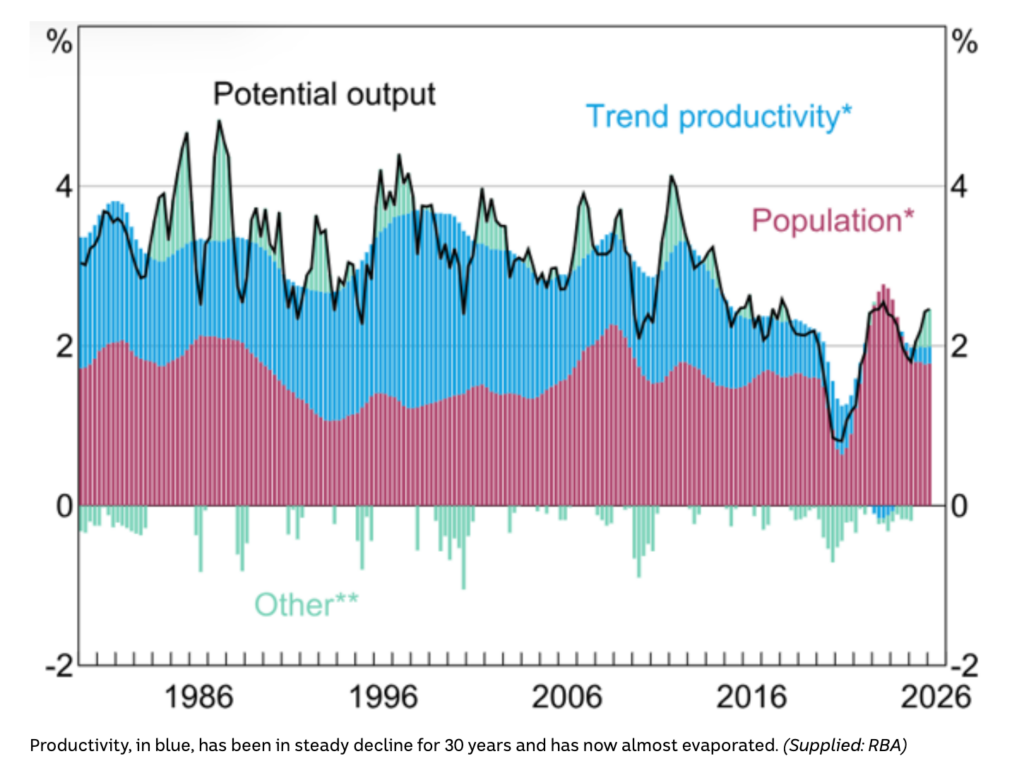
What we find genuinely encouraging is the long-term direction. This is a policy trying to link housing outcomes to productivity, not just tinker at the edges. That’s a sustainable growth mindset, and it’s one worth paying attention to.
What Buyers Should Do Next
Don’t make decisions off headlines alone. Focus on fundamentals: location, land value, long-term demand, not short-term policy noise. If you’re a first-home buyer, this could be a window worth watching closely over the next 12 months as investor behaviour shifts. If you’re an investor, it’s time to reassess your strategy around new-build opportunities and understand exactly how the grandfathering rules apply to your existing portfolio.
Markets don’t wait for certainty, and buyers who position themselves early, with the right guidance, tend to come out ahead. If you’d like to talk through how this affects your specific situation, we at D’MANSHA are always happy to chat, or you can book a free consultation directly.