
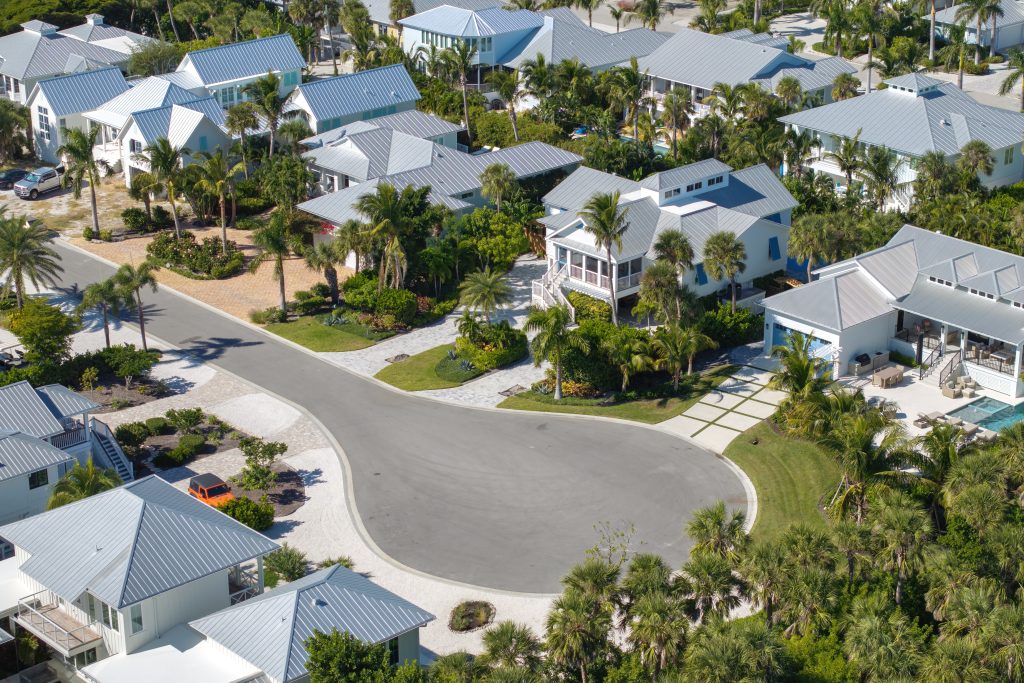
Australia’s housing market pressed forward in July, with CoreLogic revealing a sixth consecutive monthly advance in national home values. Prices lifted a further 0.6%, elevating the national median to $844,000. The uninterrupted ascent signals surging confidence from investors and owner-occupiers alike, buoyed in part by easing speculation over future interest rate paths.
Capital cities outstripped regions in July, posting a cumulative advance of 1.8% versus a 1.7% gain among regional markets. Darwin topped the leaderboard with a particularly strong 2.2% upswing, fuelled by relatively low entry prices and expanding rental yields that continue to entice investors. source
House vs Unit Market
A widening divide between housing and unit sectors became more pronounced. Nationally, detached dwelling values climbed 1.9%, while unit prices rose 1.4%, widening the median gulf to $223,000. The chasm presents distinct implications for different buyer strata: the unit sector remains accessible for budget-sensitive purchasers, while the house market tightens in availability. source
Momentum from Rate Cuts
Falling rates are lifting markets higher, and the latest Reserve Bank move has given the upward push more wind. At the August 12 meeting, the RBA cut the cash rate by 25 basis points to 3.6% an action the whole board embraced, citing the ongoing easing in inflation and softer employment figures. That’s the third cut this year and starts the borrowing engine again.
Economists reckon every 25-point drop gives the median household another $9,000 to $10,000 in borrowing power. With more homeowners back in the game, we’re seeing quicker action, especially in the most sought-after suburbs. Buyers are racing to secure properties before competition tightens again, and that urgency is already showing up in rising auction clearance rates.
Rental Market Under Strain
Australia’s residential property market sustained its upward momentum in July, with CoreLogic data confirming that national home values advanced for the sixth consecutive month. Prices rose by 0.6% over the month, bringing the national median to $844,000. The enduring increase suggests that both investors and home buyers are gaining confidence in the market, particularly in light of evolving interest rate forecasts.
Nevertheless, the pace of these gains is eclipsing corresponding gains in wages, amplifying affordability strain.
The ratio of property prices to average earnings has now doubled the level recorded two decades earlier, as documented by the latest affordability indices. For many households, particularly first-time entrants in metropolitan settings, the cost gap represents a formidable barrier to purchase.
First-time and repeat investors turning moves to Adelaide or Perth can read a premium-to-historic affordability relationship of rising capital values over stagnant median incomes, coupled with persistent rents, and thus sustaining yield spreads. Units priced at moderate price-to-income ratios below the metro median may offer entry into peri-urban pockets that still secure urban amenity from metro primes.
In today’s competitive market, it’s essential to have the right plan and help when working with buyers.
At D’MANSHA, we help buyers in challenging situations by providing them with detailed information about neighbourhoods, real-time data, and access to off-market deals. Our goal is to help our clients make informed choices in areas where demand is high, whether they are buying their first home or are seasoned investors.
🏡 From first home to fifth investments, get expert advice that actually makes sense.